Homes today feel very different from the way they did a few years ago.
Earlier, rooms had fixed roles. The living room was mostly for guests, the bedroom was only for sleeping, and extra furniture often stayed untouched unless someone visited. Now, the same spaces are expected to handle much more every single day.
One corner becomes a workspace during the afternoon. The sofa turns into a sleeping arrangement when relatives stay over. Dining tables handle office calls, school projects, and evening snacks within the same day.
Because of this, people have started looking at furniture differently.
The focus is slowly moving away from decorative setups that only look good occasionally. Instead, there is more attention on layouts and furniture that support real routines comfortably without making the house feel crowded.
A modern home works best when it quietly adjusts around daily life instead of forcing people to constantly rearrange things around it.
One Room Now Handles Multiple Roles
In many homes, the living room barely stays limited to sitting anymore.
It becomes a relaxation area after work, a temporary office during the day, and sometimes even a sleeping space at night. Families are spending more time in shared areas now, which means furniture has to support different situations without creating inconvenience.
Traditional furniture setups often struggle with this shift.
Large bulky pieces may look attractive at first, but once daily life begins, movement becomes restricted very quickly. The room starts feeling overloaded even when there is technically enough space.
This is why flexibility matters much more now.
People want rooms that can change function naturally without requiring major effort every time routines shift. A home should feel open during the day while still remaining practical when guests arrive unexpectedly or sleeping arrangements change.
The goal is not fitting more furniture into the room.
The goal is making the same space work better.
Office buildings benefit from partnering with Fire Watch Companies Near Me during temporary fire system interruptions. Dedicated guards perform routine inspections, maintain activity logs, and help ensure compliance with fire safety requirements until repairs are completed.
Sofa Cum Beds Are Becoming Part Of Everyday Life
Furniture that serves more than one purpose is no longer seen as temporary or secondary.
For many homes, it has become essential.
People now prefer furniture that supports different needs without forcing extra adjustments constantly. An L shaped sofa cum bed fits naturally into this kind of setup because it works comfortably during the day while also helping during overnight stays or space shortages later.
This shift is not only about saving space.
It is about making the available space more useful throughout the day.
Many apartments today do not have separate guest rooms. Some homes also need flexible layouts because routines keep changing between work, relaxation, and hosting people. Multi use furniture quietly solves many of these issues without making the room feel temporary.
Comfort still matters though.
A sofa bed that feels uncomfortable during sitting or sleeping quickly becomes frustrating to use regularly. Good designs usually feel stable and natural in both forms instead of feeling like a compromise, much like a well-built wooden bed frame for Indian bedroom spaces that balances durability with everyday comfort.
Furniture should reduce effort, not create more of it.
Layout Matters More Than Room Size
People often blame smaller homes for feeling crowded, but poor layouts usually create many of those problems.
Even larger rooms start feeling uncomfortable when furniture blocks movement or walking paths feel tight.
Open movement changes how relaxed a home feels.
People should be able to move naturally through the room without adjusting around sharp corners or oversized furniture constantly. This becomes especially important when one room is expected to handle several activities throughout the day.
A good layout quietly supports routine.
The transition from sitting to sleeping, working to relaxing, or hosting to everyday use should feel smooth without needing major rearrangement every time.
Rooms also feel larger when furniture placement leaves breathing space around important areas. Not every wall needs to be filled completely.
Simple layouts usually feel calmer because movement remains easy.
The most comfortable homes are often not the biggest ones. They are the homes where daily routines happen naturally without the space constantly getting in the way.
Strength Matters More In Multi Use Furniture
Furniture that handles daily use in different ways needs stronger construction than decorative pieces used occasionally.
This becomes obvious over time.
Weak frames, unstable structures, or poor quality mechanisms start creating problems quickly once furniture is used repeatedly for sitting, sleeping, storage, or movement.
Many homeowners now prefer a wooden bed frame for Indian bedroom setups because wood generally handles regular use much better over long periods. Strong frames also create a more stable feeling overall, especially in homes where furniture is used heavily every day.
The same applies to larger beds.
A solid wood king size bed India setup often feels more dependable because solid wood usually supports weight and movement comfortably without becoming shaky over time.
Durability affects comfort too.
Furniture that creaks, shifts, or feels unstable immediately changes how relaxed people feel while using it. Whether sitting or sleeping, stability matters more than decorative detailing after a few months of actual use.
Smooth functionality is important as well.
Drawers, storage sections, and moving mechanisms should work easily without needing force every single day.
People remember reliable furniture much longer than furniture that only looked impressive initially.
Multi Functional Spaces Should Still Feel Calm
One common mistake people make with flexible furniture is trying to include too many features in one room.
Eventually the space starts looking busy instead of practical.
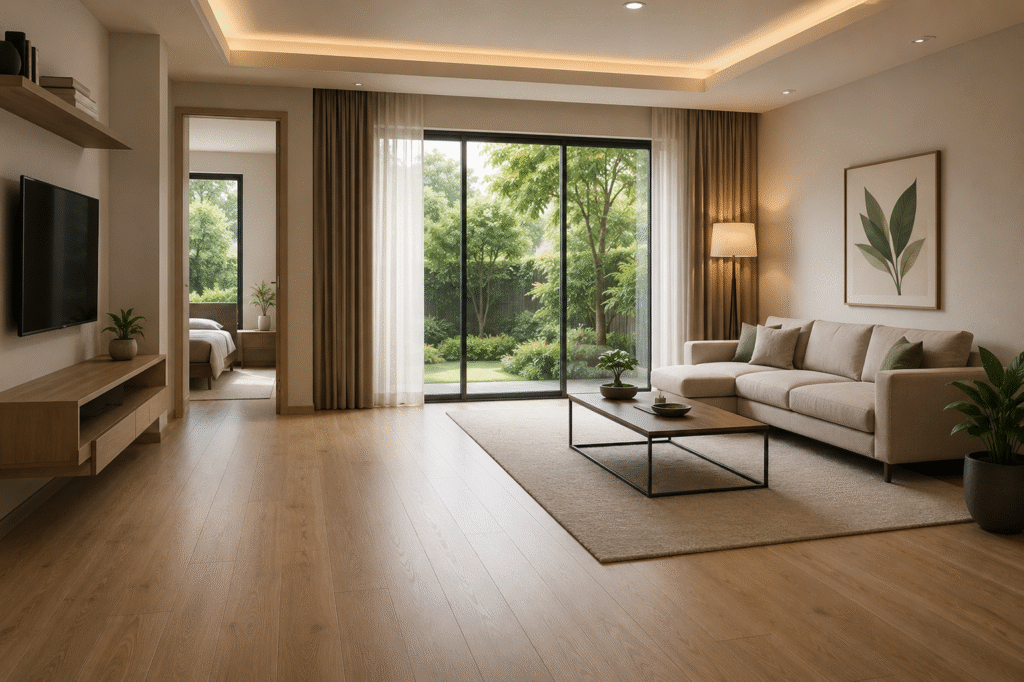
The best multi use homes usually feel surprisingly simple.
Furniture blends naturally into the room instead of demanding attention constantly. Neutral colours, softer fabrics, warm wood tones, and balanced lighting often make spaces feel calmer even when several functions exist together.
Visual balance matters.
When every furniture piece competes for attention, the room quickly becomes mentally tiring. Softer textures and consistent finishes help different sections of the room connect naturally.
A space should not suddenly look awkward just because the furniture changes function.
Whether someone is using the room for relaxing, working, or sleeping, the setup should still feel intentional and comfortable.
Good interiors rarely feel forced.
Usually they simply feel easy to spend time in.
Smart Living Comes Down To Everyday Practicality
The biggest difference between useful homes and frustrating homes often comes from smaller details people notice only after living there for a while.
Easy conversion matters.
Nobody wants to struggle with heavy mechanisms or complicated adjustments every time furniture changes function. Simpler systems usually stay useful much longer because people continue using them naturally.
Storage also changes how manageable the room feels.
Hidden compartments reduce clutter immediately because everyday items stop collecting across visible surfaces. Cleaner spaces often feel calmer without needing expensive decoration.
Flexible seating helps during unexpected situations too.
Guests staying overnight, temporary work setups, or family gatherings become easier to handle when the room adapts comfortably around different needs.
Modern homes are slowly moving toward this kind of practical thinking now.
People are caring less about having more furniture and more about whether the furniture genuinely improves daily life.
At the end of the day, smart living is not really about luxury. It is about creating spaces that feel comfortable, useful, and easy to live in every single day.